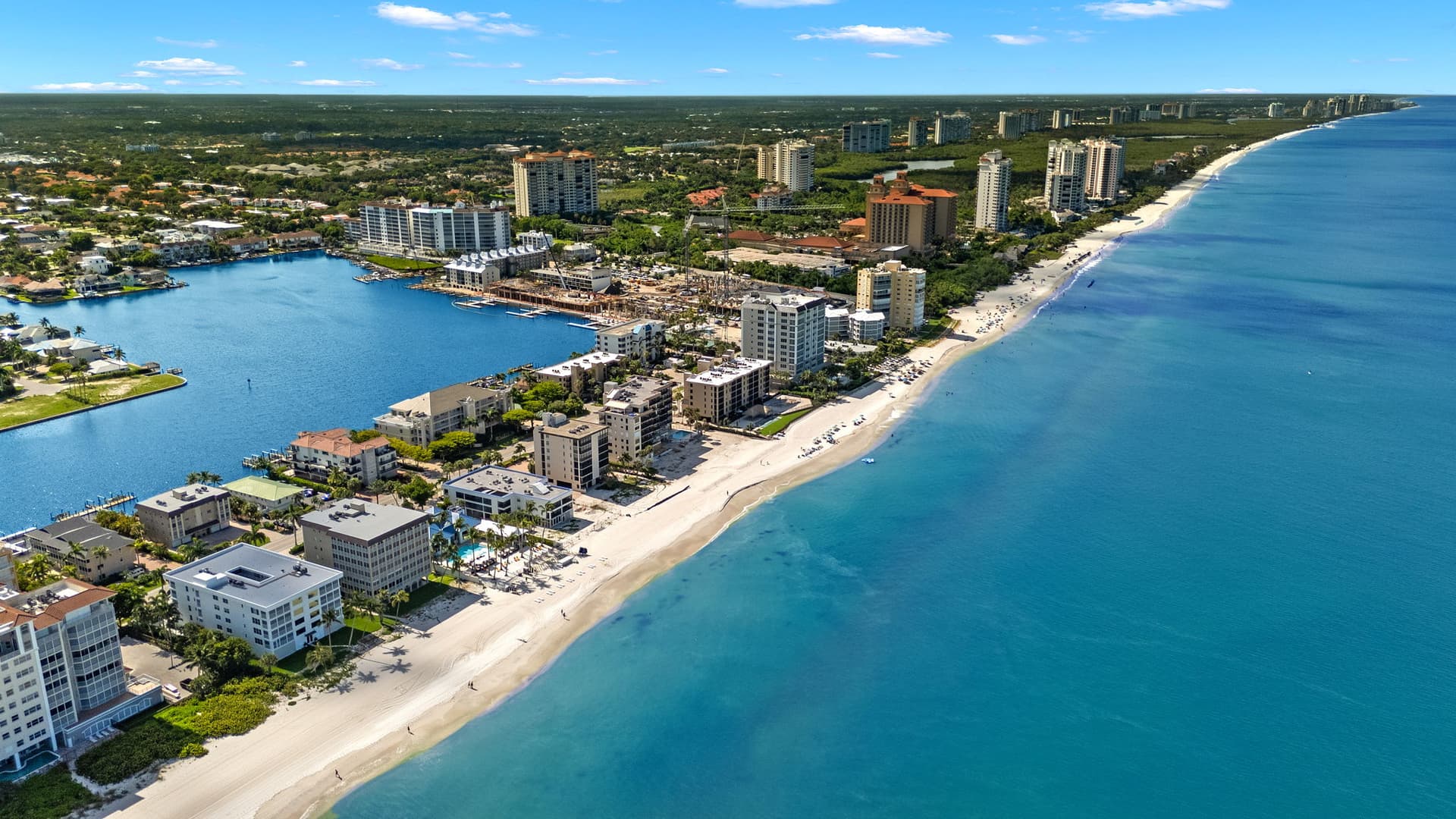
Owning a vacation home in Southwest Florida is one of life's great pleasures — and one of its more complex logistical challenges. This guide covers everything you need to know about the rhythm of seasonal ownership along Florida's Gulf Coast.
Understanding the Season
Southwest Florida's "season" runs roughly from November through April, when snowbirds from the Northeast, Midwest, and Canada migrate south to escape cold winters. During these months, traffic increases, restaurants fill up, and the coast takes on a vibrant energy that makes the region one of the most coveted second-home markets in the country.
The off-season — May through October — is when the Gulf Coast shows its quieter, more local character. It is also hurricane season, which runs officially from June 1 through November 30, with peak activity in August and September.
Community by Community
Naples is the most upscale community in the region, known for its world-class dining, art galleries, and pristine beaches. Properties here tend to be larger, with higher price points and premium associations.
Bonita Springs offers a slightly more relaxed atmosphere while still delivering Gulf access and upscale communities. It sits between Naples and Estero, giving it easy access to both.
Estero is one of the fastest-growing communities in Southwest Florida, anchored by Coconut Point and The Brooks. It attracts a slightly younger demographic and is popular with families and active adults.
Fort Myers and Fort Myers Beach offer a broader range of property types and price points. Fort Myers Beach in particular has seen significant rebuilding activity following Hurricane Ian in 2022.
Sanibel and Captiva are barrier islands accessible by causeway, known for their world-renowned shelling beaches, wildlife refuges, and intimate community feel. These islands have strict environmental regulations that preserve their unique character.
The Off-Season Question
Many seasonal homeowners leave their Southwest Florida property unoccupied for five to seven months each year. This is where the real challenges begin.
Vacant homes in Florida's climate face risks that simply do not exist in northern climates: mold from humidity, HVAC failures, water intrusion from summer storms, pest activity, and the constant threat of hurricane damage. Add in the need to coordinate maintenance, landscaping, pool service, and vendor access — and managing an absent property becomes a part-time job.
Professional home watch service is how most experienced seasonal homeowners solve this problem. Rather than relying on neighbors or taking their chances, they engage a licensed, insured team to conduct regular documented visits and serve as their local point of contact year-round.
Preparing for the Off-Season
Before you leave for the summer, run through this checklist:
- Service your HVAC and set it to 78–80°F to control humidity while you are away
- Have the dryer vent, attic, and crawl spaces inspected for pest activity
- Test all smoke and carbon monoxide detectors
- Know where your main water shutoff is and confirm it operates correctly
- Photograph the interior and exterior as a baseline condition record
- Confirm your insurance is current and review your hurricane coverage limits
- Engage a home watch service and brief them on your property's specifics
Returning for the Season
A pre-arrival visit from your home watch team before you return ensures your home is ready: systems checked, any issues addressed, and a fresh property report in your inbox before you land.
This is one of the services our clients value most. There is nothing quite like arriving at your Southwest Florida home to find it exactly as you left it — or better.